
[JP]
PAST EXHIBITION
WATANABE Koichi “Contrayerba in dreaming -detox plants history”
Saturday, August 1 – Saturday, August 15, 2026
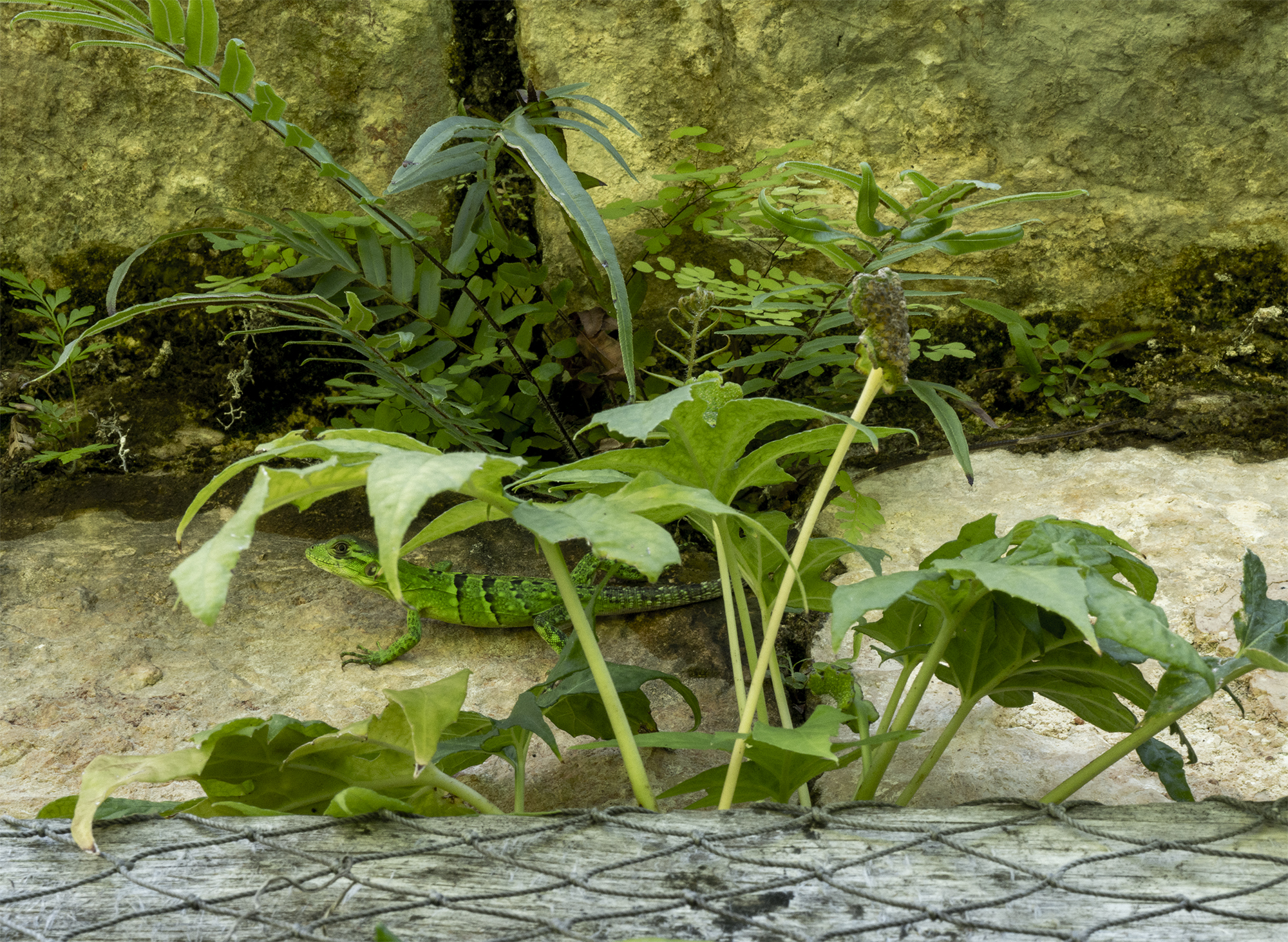
© WATANABE Koichi, Courtesy of The Third Gallery Aya
WATANABE Koichi “Contrayerba in dreaming -detox plants history”
Saturday, August 1 – Saturday, August 15, 2026 13:00–19:00
*Closed on Sundays, Mondays and Holidays.
LAG (LIVE ART GALLERY)/ Daiwa Jingumae Bldg. 1F, 2-4-11 Jingumae, Shibuya-ku, Tokyo 150-0001
Opening reception: Saturday, August 1, 19:00–20:00
Cooperation: The Third Gallery Aya
LAG is pleased to present “Contrayerba in dreaming -detox plants history”, a solo exhibition by WATANABE Koichi, on view from August 1 (Sat) through August 15 (Sat), 2026.
Throughout his practice, Watanabe has explored the relationship between plants and humans. As plants have travelled across the world through migration, trade, colonial expansion, medicine, and scientific inquiry, they have shaped not only natural environments but also the frameworks through which humans understand the world. Through photography and extensive research, Watanabe traces the historical trajectories embedded in plants and the complex networks surrounding them.
In his acclaimed photobook Moving Plants (2015), Watanabe focused on Japanese knotweed—a common wild plant in Japan that later became known as an invasive species in Europe and North America—revealing how the movement of plants is inseparable from the history of modernity. In Contrayerba in dreaming -detox plants history, he turns to “KONTARAERUHA,” a mysterious medicinal herb described in Edo-period medical texts, following its name through centuries of history.
Developed through extensive archival research, botanical references, historical documents, and fieldwork, the project is not an attempt to identify the true nature of a single plant. Rather, it examines how plants have been named, translated, classified, and transmitted through human knowledge and desire. At the same time, the plants themselves emerge in the photographs as beings that cannot be fully contained within human systems of understanding and classification.
Through works from the Contrayerba in dreaming -detox plants history series, the exhibition offers a renewed perspective on the relationship between plants and humans. More than visualizing history or social systems, the photographs invite viewers to reconsider the fundamental ways in which we name, interpret, and understand the world.
—Artist Statement—
The mysterious herb “KON-TA-RA-E-RU-HA” [昆答刺越兒發], which appeared in several prescriptions of Dutch medicines in the Edo era. “Contra” means counter poison and “yerba” is a herb in Spanish. This is the meaning of KONTARAERUHA.
Tracing KONTARAERUHA in old books of Dutch studies in Japan and herbals or medical books written during the Great Discoveries, several plants sharing this one name appeared and then disappeared. I have strayed into the labyrinth in which the time stretched 500 years between the 15th century and the present and the space spread from Europe to Asia and America.
In the my quest journey for the traces of this medicinal plant which isn’t used now, the network formed during several hundreds years through which people questing for contrayerba and the fact that people exploited plants as commodities such as spices or medicine traded all over the glove are figured out. In those processes, we have missed aspects of the plants as organisms living beyond the dimension of the life of human beings.
In the layered forms in the forest where I have reached at the end of the journey, our entangled interpretations around contrayerba were removed poison derived from categorization of the plant as its name indicates, and cast out in front of our eyes as an unnamable event created by the passage of geological time. This event is filled with echoes that remain after the words lose their meaning, voices without voices, which would not be heard without sharpening our senses.
WATANABE Koichi
PROFILE

WATANABE Koichi
Watanabe Koichi. Born in Osaka, Japan, in 1967. Graduated from Osaka City University, Faculty of Literature in 1990, and completed the photography course at Inter Medium Institute, Osaka, in 2000. His work examines the relationship between plants and humans, investigating how capitalism and global logistics have driven the displacement of plant species and transformed ecosystems. His first photobook, Moving Plants (Seigensha, 2015), documents sites of Japanese knotweed — introduced to Europe and North America by Siebold in the 19th century and now classified as an invasive species — photographed across the world over more than a decade. Solo exhibitions were held at the Third Gallery Aya (2015), Kanzan Gallery (2016), Gallery 722 (2017), and Shiseido Gallery (2018). Group exhibitions include RØNNEBÆKSHOLM, Denmark (2017) and the Carnegie Museum of Natural History, Pittsburgh (2025). His second photobook, Contrayerva in dreaming -detox plants history (Seigensha, 2022), traces the origins of “Kontaraeruha,” a mysterious medicinal herb appearing in Edo-period medical texts, culminating in its identification in Mexico. Exhibitions were held at the Third Gallery Aya (2022), Kanzan Gallery (2022–23), and gallery0369 (2024). The photobook received the Sagamihara Photo Award in 2023.
Web:https://thethirdgalleryaya.com/en/artists/watanabe_koichi/
New Book Publication
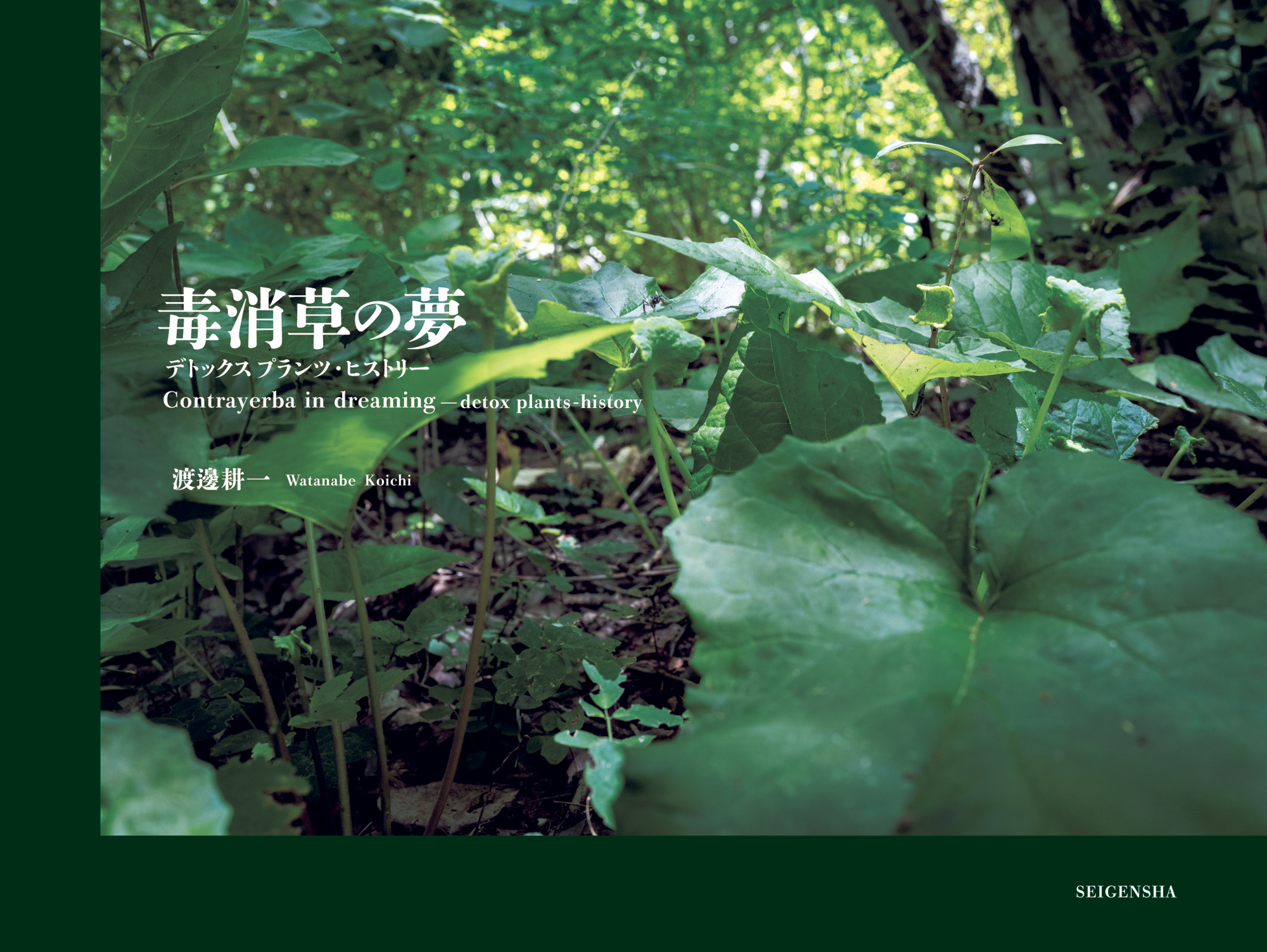
『Contrayerba in dreaming -detox plants history』
–
Artist:WATANABE Koichi
Languages:Japanese and English
Size:227 × 303 × 21 mm, 1000 g
Pages:160
Binding:hardcover
Release date:18991231
ISBN:978-4-86152-896-5 C0072
Price:6,600 JPY(tax included)